April 14, 2025
0

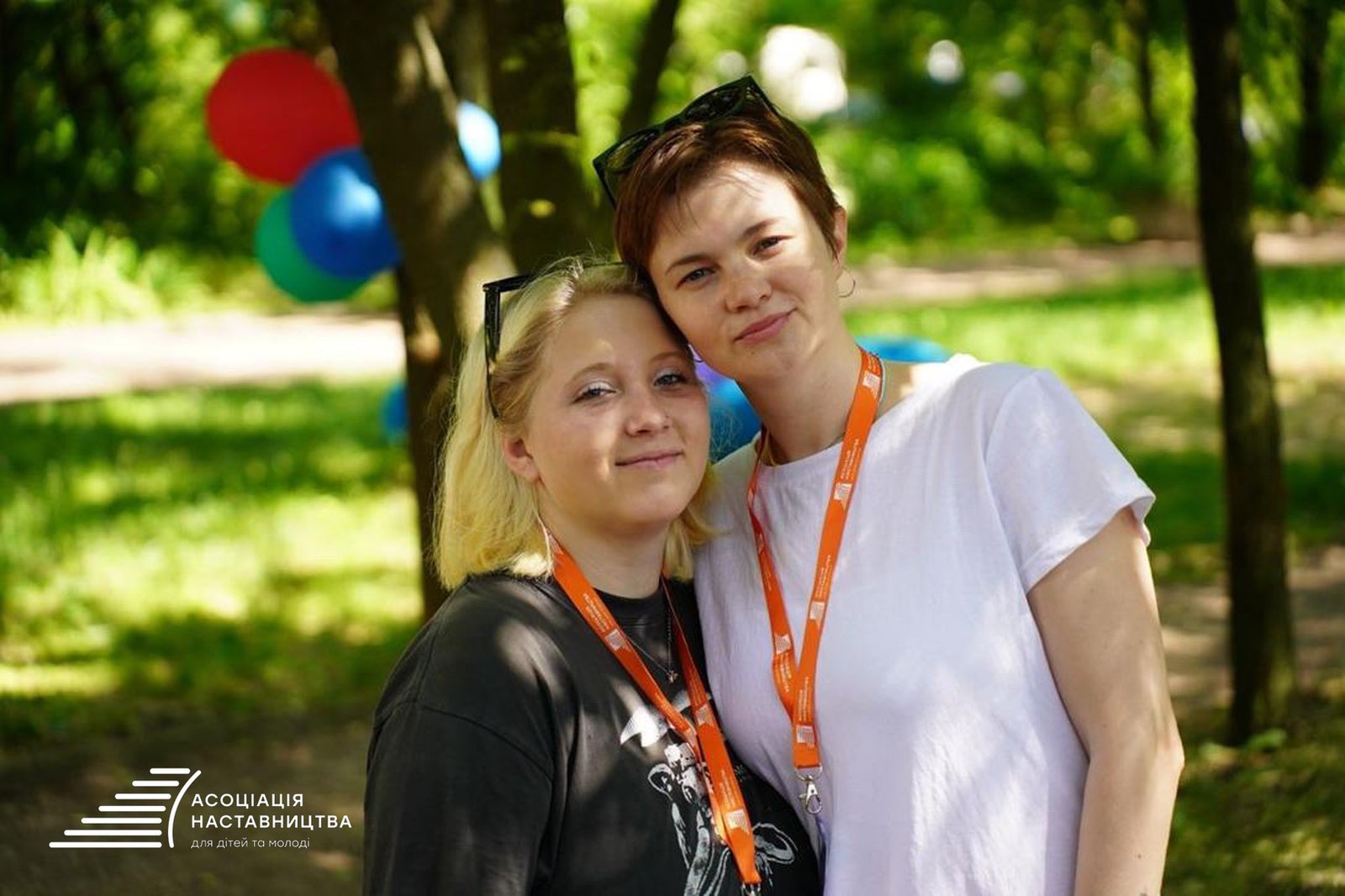
How did you first learn about the mentoring program, and why did you decide to become a mentor for a child from an institutional care facility?
A few years ago, I came to the social services office with the intention of adoption. The social worker explained all the stages of the process in great detail and how to prepare for it. At that moment, I realized that my husband and I did not have the resources for adoption. And I was offered to consider mentoring. Before that, I had never heard of mentoring and didn’t even know it existed.
I signed up for the training and went through the interview, document collection, and the training itself as soon as a group was formed. From my own experience, I can say that the training is excellent, very well-structured. They give you the foundation, explain all the steps and components of the process. I believe the information provided during the training is incredible, very necessary, and useful.
Was the support/advice from the specialists of the Mentoring Association important to you, and why?
I met the child very quickly, almost immediately after completing the training. For the past year and a half, my girl and I have been building our relationship. From the moment of our first meeting and throughout all this time, I received support from the coordinator of the Mentoring Association’s mentoring program, for which I am incredibly grateful. During the training, they talk about different cases, but it is impossible to foresee every life situation. There are moments when a mentor may have doubts, and it is very important to have someone you can rely on, someone who can support you, provide additional information and advice, because they have much more experience in this. For me, this is extremely valuable. I believe that supporting both the mentor and the child throughout the entire interaction process is an extraordinarily important component of mentoring.
What challenges did you face in the role of a mentor, and how do you overcome them?
Of course, during our time together I faced certain challenges, because my mentee is a teenager, already a formed personality with her own character and outlook. There were situations where I didn’t know how to act, and I turned to Maria, the coordinator of the mentoring project, and she supported me and reminded me of what is most important in this process. This helped me overcome difficulties and stay on this path.
What moments in your interaction with your mentee inspire you the most?
It is very important to me that my girl has someone she can text or call anytime about anything. And she receives support and understanding. We talked this through together, and it was also her initiative. I am incredibly proud of her, of how she is growing and the incredible pace at which she is doing it! I hope our connection will continue for years.
How do you assess the importance and impact of a mentor on the lives of teenagers who previously did not have significant adults in their lives?
Personally, I have such a story that I did not have a reliable «safe» adult in my life, so I understand how important a mentor is in the life of a child who does not have a significant adult they can turn to for support. That’s why I joined mentoring when I realized the impact this program has on the lives of children from vulnerable groups. And from my own experience, I know that when you have a person you can turn to, tell anything that is happening in your life, and simply receive support without judgment, without criticism that there is something wrong with you, it is wonderful, it is extremely important, it is about acceptance, especially during adolescence.
What skills do you consider most important for children from institutional care facilities so they can successfully integrate into independent life?
As for the skills that are important to help develop in children with experience of institutional upbringing, this is truly essential. Every child has their own needs. My mentee spent a fairly short period in an institution, so one of our priorities was self-care and taking care of herself. We introduced caring for herself and her health as a routine. My girl also shared how many different educational and career-oriented activities the Association organized for them within the Corporate Mentoring program. They visited various companies, explored professions, saw the full variety of opportunities life outside an institution can offer, and learned how success and certain results can be achieved through different methods, and how to make the right choices. We also attended a financial literacy training together organized by the Association. It was very interesting and informative.
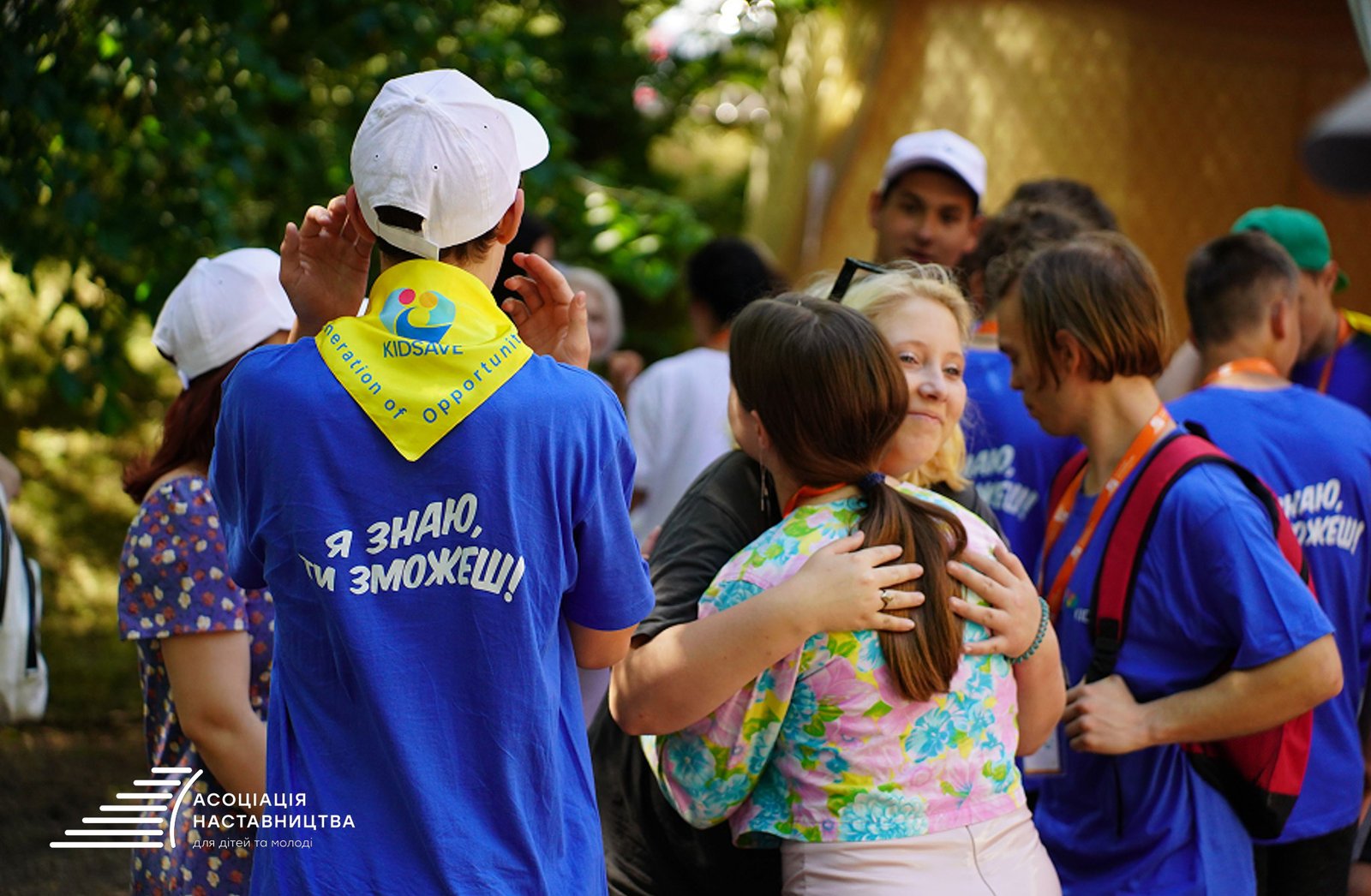
What changes would you like to see in mentoring programs in the future?
I am very glad that mentoring is being implemented in our country. I would really like it to become like blood donation — the norm for everyone. I want everyone to know about it, and for there to be more information in the media space about this opportunity to support children. Because I didn’t know about it before. And then I started telling my friends about it, writing posts on social media to explain to my, albeit small, audience what it is and why it is important. Because I see for myself how it works and how it impacts children.
What advice would you give to other people who are considering becoming mentors for teenagers from vulnerable groups?
For people who are considering becoming a mentor, I would advise them to simply go for it and take action, not be afraid. Of course, there may be some fears, but when you come and start the training, you work with great specialists, and the program itself is excellent. During this time, I have trained to become a psychologist myself, and now I understand even better what they taught us, what they told us, what they explained to us. So just come. What I really liked about the training was the absence of pressure on a person. You come, you learn, and if in the process you realize that maybe this is not for you right now, you can stop and not continue further. And that is absolutely normal. But you need to come and try to understand how mentoring works in general, because it is a special world. These are children who need help, and you can help!
Friends, if you were inspired by Tasha’s story and would like to learn more about the Mentoring program for children from institutional care facilities, we invite you to an informational online meeting held by specialists from the Mentoring Association on the last Wednesday of every month at 7:00 PM.


