June 4, 2025
0

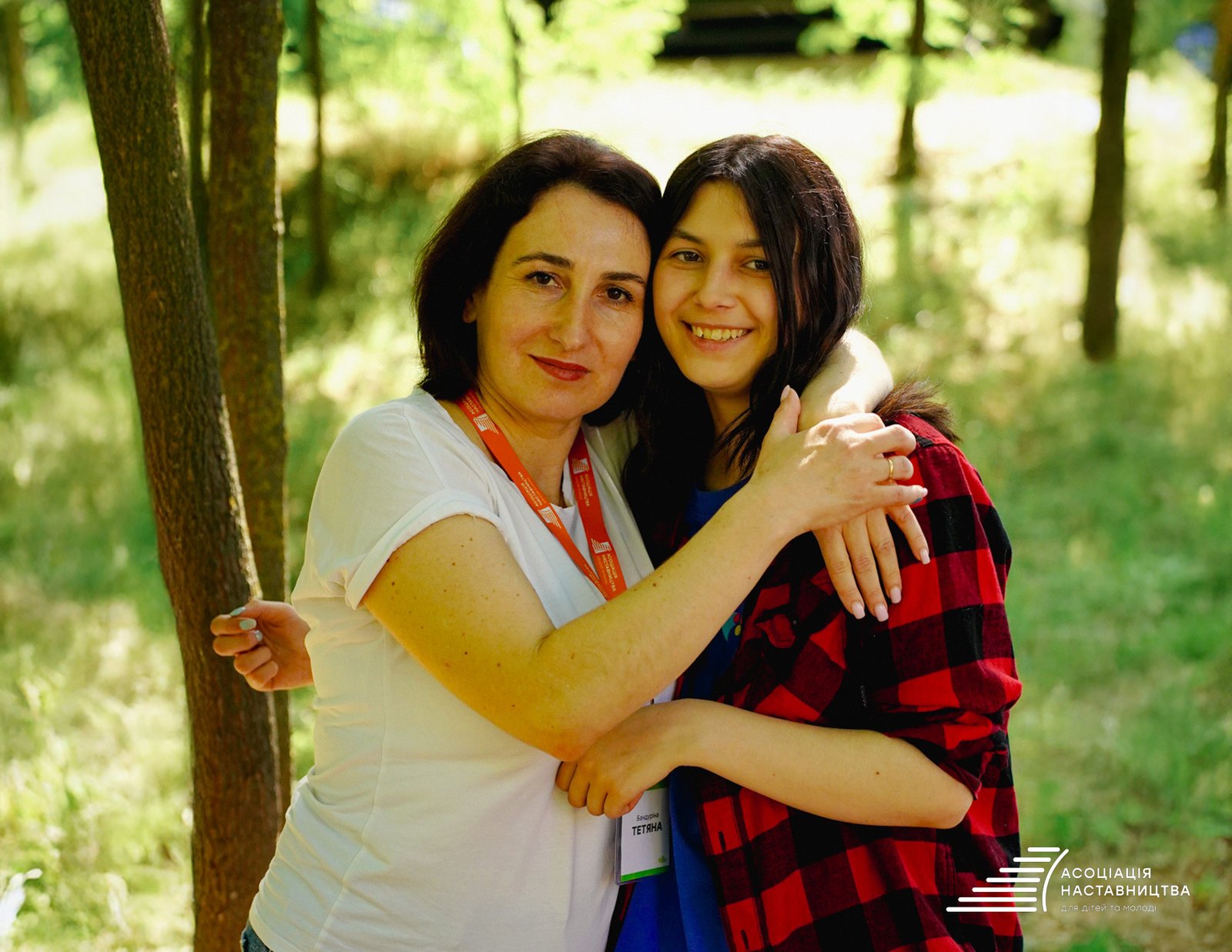
— How did you first learn about the mentoring program, and why did you decide to become a mentor for a child from an institutional care facility?
— I first learned about the mentoring program back in 2016. I really liked the idea. I waited a long time for it to launch in our region (Donetsk). Then I realized that I needed to start doing something myself.
I decided to become a mentor because at that time my children were already quite grown up and no longer needed so much of my attention and support. And I had enough resources, free time, finances, experience raising my own children, and a strong desire to help another child. In general, I had always dreamed of adoption, but it turned out that my family was not ready for it. So mentoring became, so to speak, the fulfillment of my dream in a slightly different version.
— What challenges did you face in your role as a mentor?
There were actually many challenges. But the most serious one, I believe, was the lack of support. I can say for sure that if I had not met Mentorship Association, which sincerely welcomed us into their team, our pair would have fallen apart. Having no experience communicating with children from this vulnerable category, I don't think I could have managed on my own. Support must be mandatory — it was exactly what helped us preserve our pair and continue interacting during the difficult time at the beginning of the war. Yes, I read many books, but I needed practical experience and advice from a practicing psychologist about specific situations. And I found all of this at the Association.
My mentee is a very quiet, obedient, and reserved girl. The main goal of our interaction that I chose was to teach her to make her own decisions, choose what she personally likes, and also say «no.» In my opinion, the ability to make your own decisions and take responsibility for them, the ability to say «NO,» the ability to ask for help when needed, and the ability to communicate properly are extremely important skills that need support in developing.
— What changes have you noticed in your mentee’s life after you became her mentor?
Changes have happened! It is very inspiring. Liuba has become quite independent; it has become much easier for her to communicate, express her wishes and needs, and she can defend her boundaries in relationships with peers. Of course, there is still work to be done, but the results she has achieved inspire her and give her confidence in her next steps. I want to note that this is not my achievement at all — Liuba does everything herself. For her, this is tremendous work. I only supported and continue to support her on this path.
— How do you assess the importance and influence of a mentor in the lives of teenagers who previously did not have significant adults in their lives?
The importance of a significant adult in a child’s life is hard to overestimate — we all know this. Every child should have an adult who is interested in seeing their whole life as a complete picture, not just certain parts of it (only school, or only the boarding school, or only vocational school).
The main feature of adolescence is that it is a period of identity formation. A teenager develops the ability to review and rethink their life, to answer the questions: «Who am I?» «What do I want in this life?» And at this important moment, it is very important to have someone nearby with whom they can talk openly about these things, someone who will help, or at least listen. And a mentor can become such a person.
— What achievements or successes of your mentee would you like to highlight after your interaction?
I consider the main achievements of my interaction with Liuba to be: moving to Kyiv, changing educational institutions, Liuba’s placement in a social apartment, and being put on the housing waiting list in Kyiv. Such major changes had a strong impact on her. The environment she found herself in encourages certain actions. Now she studies in person, communicates with peers, navigates a big city very well, independently manages household tasks in the apartment, and allocates her budget. She has also learned to travel by train around Ukraine. All of this gives her more and more self-confidence.
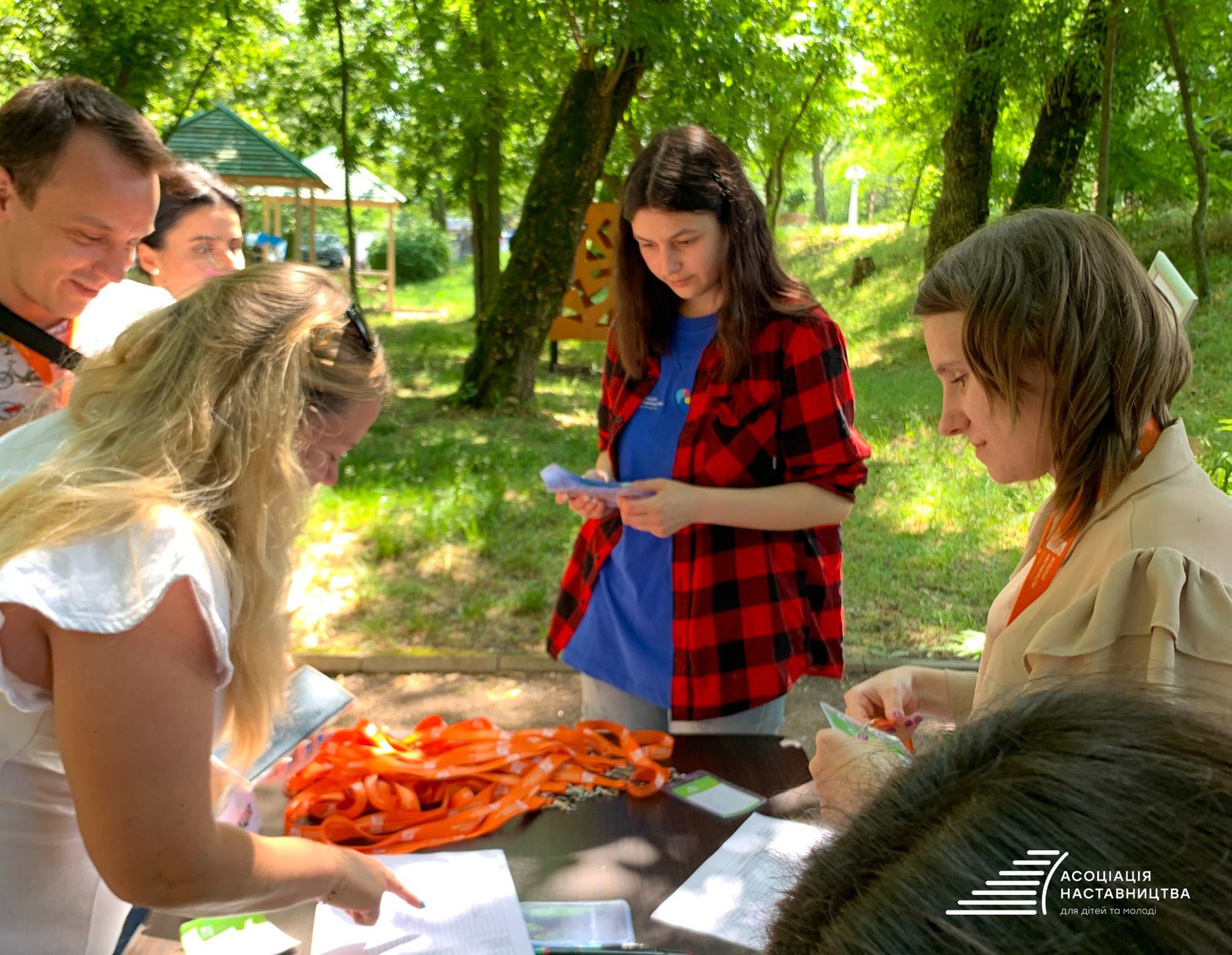
— What moments in your interaction with your mentee inspire you the most?
It was important for me to feel that my support was truly needed by my girl. After all, I was usually the initiator of all our shared activities. But there were moments when she turned to me for help: for example, when she lost her phone, or when she herself got lost in an unfamiliar city. In those critical moments, immediate help was needed, and together we managed. And I realized that she actually can ask for help, and that is simply wonderful.
— What advice would you give to other people who are considering becoming mentors for teenagers from vulnerable groups?
If you truly want to help change at least one life for the better and feel that you have enough emotional resources for it, then I believe you should definitely give it a try.
For people who have not had experience communicating with children from vulnerable groups, mentoring is the most attractive option. Because:
Of course, there’s no need to have illusions about great achievements. Most likely, there won’t be any. Also, you shouldn’t expect gratitude from the child. But if you imagine that even some of your words, actions, or advice could one day protect the child from making a wrong or dangerous step in adult life, or help them endure a difficult situation, then all your efforts are definitely not in vain!
— What changes would you like to see in mentorship programs in the future?
I would really like mentorship to continue developing. So that every child who was unable to join a family would still have a meaningful adult in their life. It seems to me that improving interaction and cooperation between various charitable organizations involved in this topic could produce very good results for the development of mentorship in our country.
Friends, if you were inspired by the story of Tetiana and her mentee, and you would like to learn more about the Mentorship program for children from institutional care facilities, we invite you to an informational online meeting held by specialists from the Mentorship Association on the last Wednesday of every month at 7:00 PM.


