May 19, 2025
0

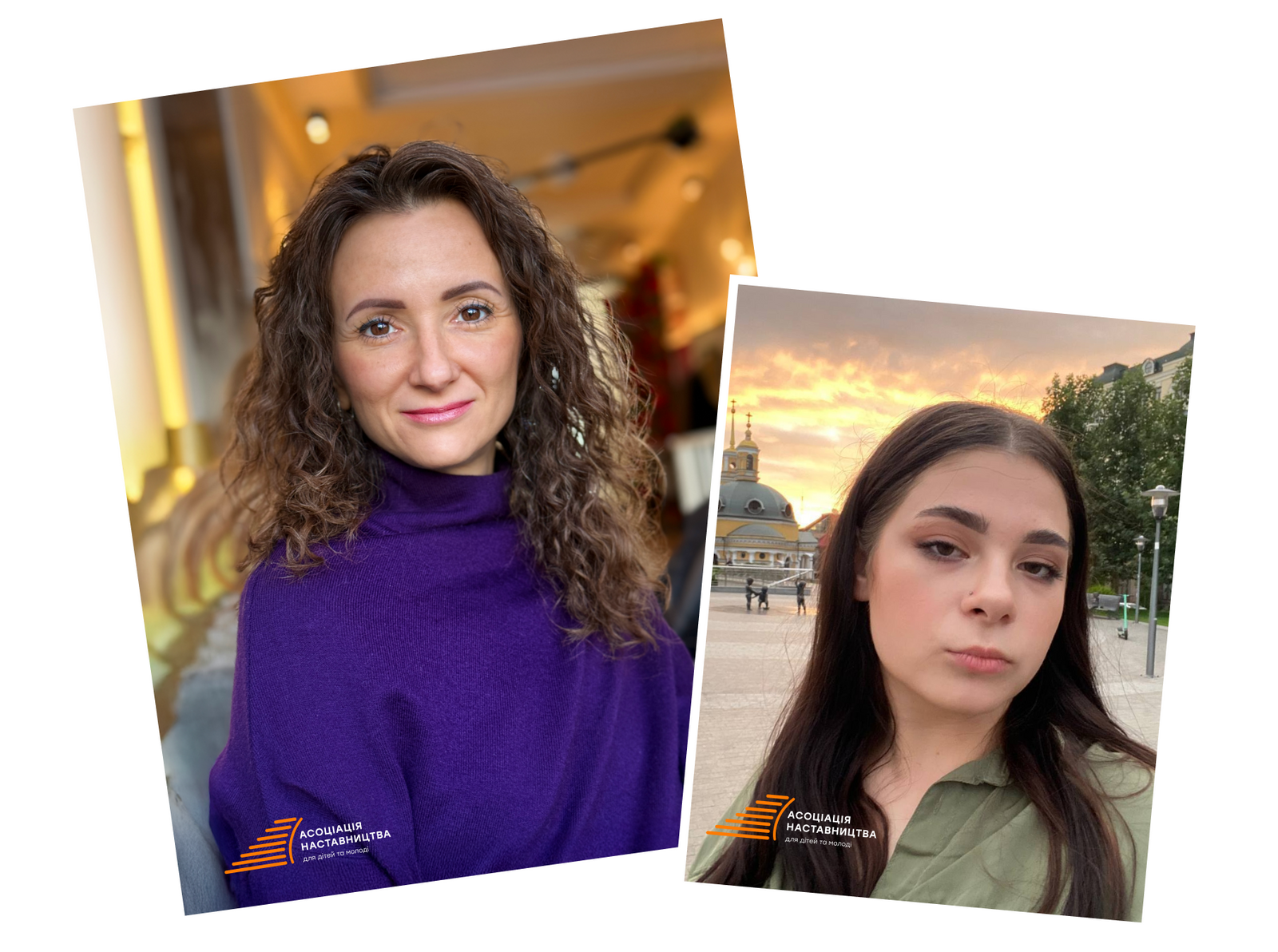
I’m 41, and I don’t have children of my own, but I have a lot of energy and a strong desire to share care and support. I was looking for charitable initiatives and volunteer projects when I found the Mentoring Association, where I was able to fulfill my desire to become a mentor.
The training was fascinating: interactive, lively, practical, and inspiring. It wasn’t just theory — it was real experience. But collecting all the documents was a real challenge. Still, my desire to become a mentor won out. And then I met Sonya. Or rather, I didn’t — because we never saw each other in person. The war started, so we could only meet online.
For the first year, I was the only one initiating conversations. Sonya stayed silent. I wrote to her, told her about myself, shared my emotions, simply stayed by her side. I didn’t ask for anything in return. And after a year — the ice broke. She started opening up. At first formally: how school was going, what grades she got, and then — genuinely. Sharing personal, vulnerable, important things. And it didn’t happen all at once — I was simply there for her consistently, sincerely, and regularly. And I really managed to become a role model for her and earn her trust.
Now she’s completely different. Sincere, open. She celebrates little achievements — and shares them. For example, when she got a job, she told me right away. If she gets new tattoos, she sends photos, shows me what she got, asks for advice, comments on all my Reels on Instagram. When we had just started communicating, she didn’t even have a profile picture, just some made-up fantasy characters. And now — there are real, lively photos of her.
Sonya said she wants to become a psychologist. And I believe — she can do it. Because she’s already on that path: preparing for exams, going to therapy. And I, in turn, constantly ask how the preparation is going, what worked, what didn’t. I try to be a kind of gentle guide for her. We work together — every week we have an online meeting where we simply talk or touch on deeper topics.
She has become very close to me. And I feel that I really managed to become that point of support she sometimes lacks in life. Sonya’s progress inspires me so much. The way her eyes light up, the way she decided to take the exam to study psychotherapy. She’s very empathetic, and I think she could be really good at it. Even if she doesn’t work in this field — she will at least go through this journey herself and grow stronger. What inspires me most is the thought that I managed to ignite some spark of growth in her, a desire for something bigger, for her own mission in life.
For teenagers from vulnerable groups, it’s incredibly important to have a role model so they can see that someone truly cares, that this person consciously chose to become their mentor and support them. Even when you’re busy sometimes, or when you yourself feel sad and find it hard to support someone — you still remain that point of support. I think it’s very important to be that example of a reliable person nearby, someone who truly cares and whom they can tell things they wouldn’t tell caregivers in institutions. To give them space and freedom to be themselves while still feeling accepted and important to their mentor.
Mentoring isn’t always easy. Especially at the beginning. But it’s an incredibly deep experience. It’s a chance to ignite a spark in someone, to give them direction and belief in themselves. And at the same time — it’s a way to become a better version of yourself, to learn how to be there for someone even when things are difficult. Of course, there’s fear, but I would say that every child has potential. A mentor’s task is to see that potential and help it unfold. To notice strengths, to understand what the mentee does well. If you invest in developing strong qualities, the child begins to believe in themselves, to feel their own strength — and then progress and development move much faster. They grow, open up, and move forward — both socially and personally.
And if you’re reading this now and feel that it resonates with you — just try it. You don’t have to be perfect. It’s enough to be genuine, honest, and caring. It’s enough to simply be there. This is a very valuable initiative, and there’s no need to wait or doubt — it’s simply worth stepping into it with an open heart.
Friends, if Elena’s story inspired you and you want to learn more about the Mentoring program for children from institutional care facilities, we invite you to an informational online meeting held by specialists from the Mentoring Association on the last Wednesday of every month at 19:00.


