March 19, 2025
0

Welcome! We want to introduce you to a new section #MentorNavigator. Right here, we will cover various topics related to the subject and history of mentorship around the world.
Let’s start by diving a little into the history of mentorship. Mentorship has existed for as long as human civilization itself. From ancient Greek philosophers to modern business leaders, the transfer of knowledge and experience from one generation to another has been a key component of society’s development. But mentorship is not always just about passing on knowledge. In our section, we will try to take a broader look at everything the role of a MENTOR encompasses.
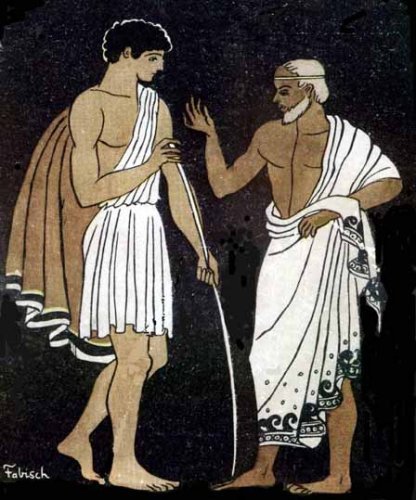
Let’s take a look into Ancient Greek mythology, where everything was a bit complicated, but nevertheless, the well-known «Odyssey» — a poem about the adventures of Odysseus — is a great example of mentorship, where Mentor was a friend of Odysseus and cared for his son Telemachus. Mentor (Greek:. Mentor) — in ancient Greek mythology, was the guardian of his household while the hero participated in the Trojan War. In the «Odyssey,» Athena, helping Telemachus search for his father, often took the form of Mentor. Mentor was a protective, guiding, and supportive figure, a wise and trusted advisor to Telemachus. Mentor demonstrated remarkable qualities in relation to Odysseus’s son Telemachus: advisor, teacher, educator, protector, and role model. Some sources also state that mentorship is an «intentional» process, and that Mentor consciously and carefully fulfilled his duties toward Telemachus; and that mentorship is a process of «nurturing,» since the Mentor’s duty was to «unlock the full potential of Telemachus» (Anderson and Shannon).
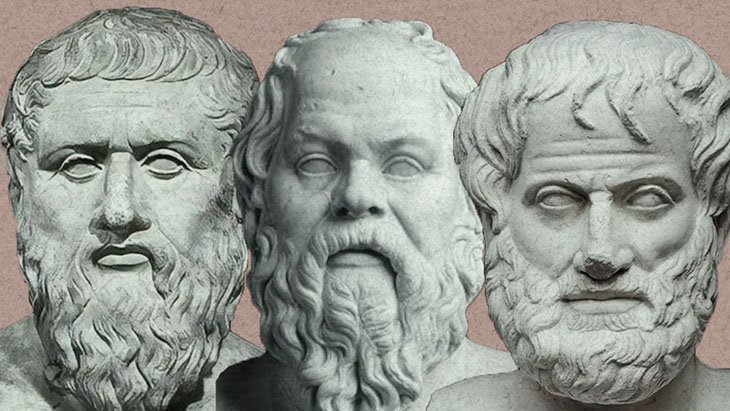
In Greek society, mentorship existed in the form of apprenticeships with philosophers, craftsmen, and warriors. For example, Socrates was the mentor of Plato, and Plato was the mentor of Aristotle.
In the Middle Ages we can observe mentorship in monasteries. It played an important role in preparing new monks and priests. In medieval Europe, craft guilds introduced apprenticeship systems where young people studied under masters for many years in order to become full members of the guild.
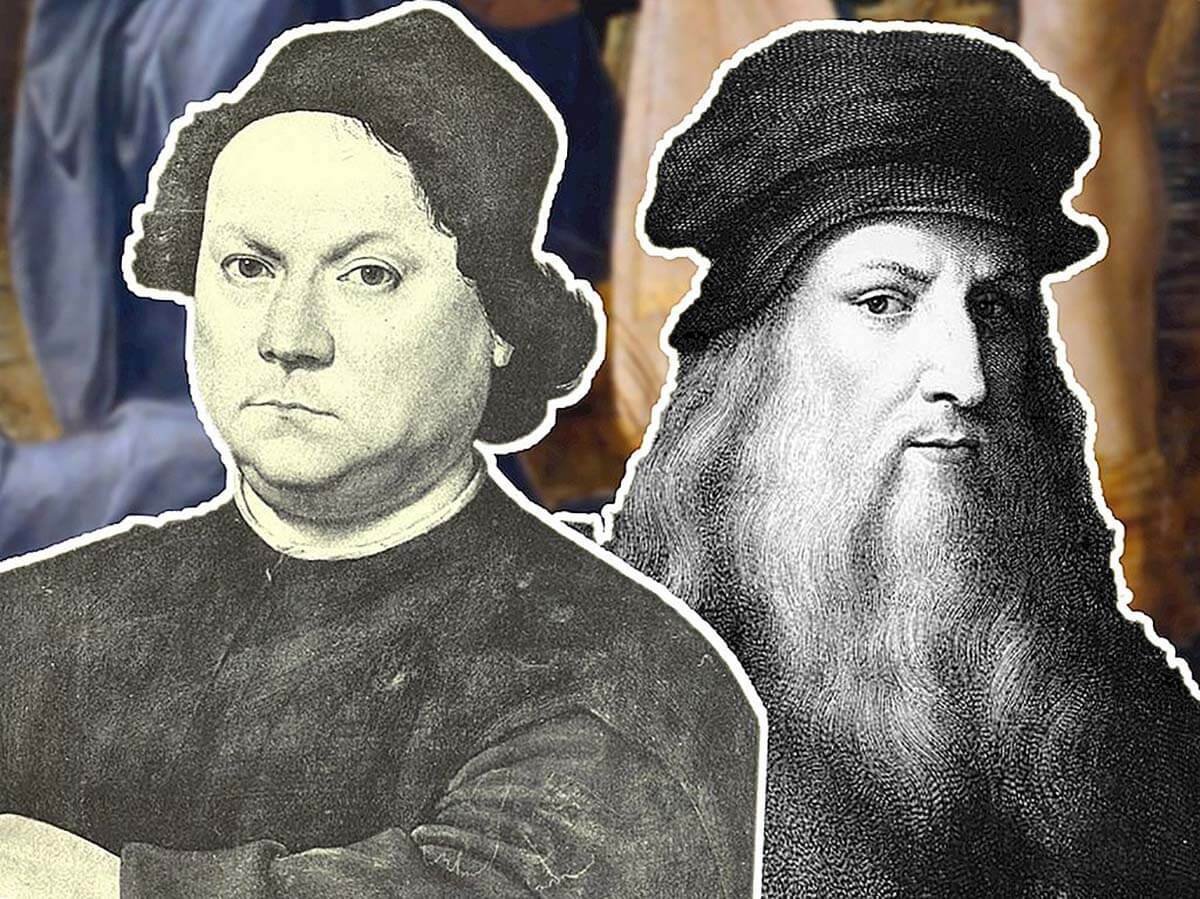
We all know Leonardo da Vinci— a representative of the Renaissance — also had a mentor. At that time, education began to be viewed as a way to improve the individual, and mentorship developed among scholars, artists, and inventors. Leonardo da Vinci’s mentor was Andrea del Verrocchio – a famous Florentine painter, sculptor, and goldsmith. In the 1460s, young Leonardo became an apprentice in Verrocchio’s workshop, where he mastered various techniques of painting, anatomy, mechanics, and sculpture. It was in this workshop that he gained the first serious skills and experience that laid the foundation for his future brilliant art and scientific research. According to legend, when Verrocchio saw how his student painted the angel in the painting «The Baptism of Christ,» he was so impressed by Leonardo’s mastery that he decided never to paint again.
The mentor of Vincent van Gogh was Anton Mauve — a Dutch painter and representative of the Hague School. Mauve was the cousin of the wife of Vincent’s brother, so he helped him master the basics of painting and the techniques of watercolor and oil painting. Van Gogh studied for some time in his workshop in The Hague, and it was Mauve who advised him to work more with live models. However, their relationship was complicated – Mauve initially supported Vincent, but later distanced himself from him, probably because of personal disagreements or van Gogh’s lifestyle. Despite this, Mauve’s influence is noticeable in the artist’s early works.
Mentorship in Ukraine has deep historical roots connected with traditional education, crafts, Cossack culture, and spiritual life.
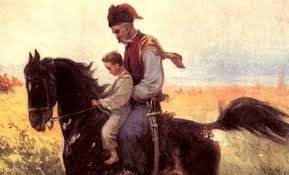
Kyivan Rus (9th–13th centuries). During this period, mentorship played an important role in passing down knowledge in crafts, military affairs, and spiritual life. Princes, boyars, and clergy were involved in educating young people, teaching them governance, the basics of military strategy, and religious education. The Cossack era (16th–18th centuries) Mentorship was of key importance in the Zaporizhian Sich, where young Cossacks were taught by older and more experienced warriors. They passed on combat skills, military tactics, knowledge about daily life and traditions, and also raised young people in the spirit of honor and brotherhood.
And very soon we will tell you fascinating stories about mentorship in the more modern world of the 20th and 21st centuries. Stay with us!
And for now, we invite you to become the person who will play a key role in a child’s life, and perhaps it is your support that will help a child believe in themselves!
If you want to learn more about Mentorship, we invite you to attend an online info session held on the last Wednesday of every month at 7:00 PM.


