April 23, 2025
0

How did you first learn about the mentoring program, and why did you decide to become a mentor for a child from an institutional care facility?
I first became acquainted with mentoring about five years ago, back when I was a student. One day, my neighbor told me that he was running acting workshops for teenagers as part of the Corporate Mentoring program by the Mentoring Association. I had been looking for something like this for a long time — something that would give me the opportunity to contribute to society.
What was the process of joining the mentoring program like, and what impressed you the most during the training?
The process of joining the program was serious — medical exams, paperwork, training. Going through the medical examination and gathering all the certificates is a test of your commitment and seriousness of intent. But the training itself was a revelation for me. It was a very important and valuable experience. I honestly think everyone should take courses like these. It’s not only about interacting with children from vulnerable groups — it’s about a deep understanding of how personality is formed, how trust and safety are built, and how attitudes toward the world develop. This knowledge is important for everyone, not just mentors.
Tell us about your experience interacting with your mentee. Have you noticed any changes over time?
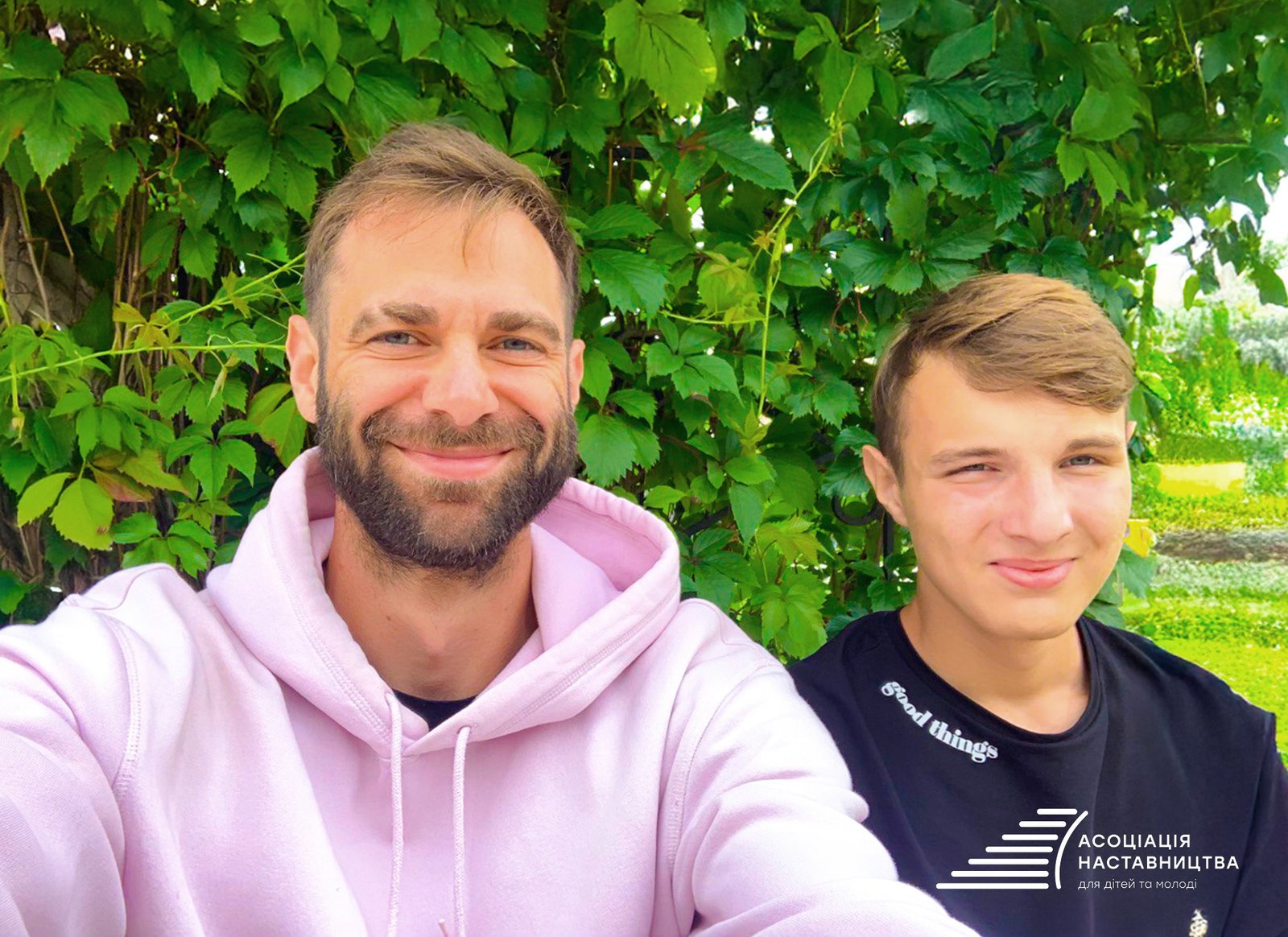
Dima — my mentee — and I have been through a lot together: from participating in events to applying to college and even enrolling in a jazz music school. Over time, both I and the people around him began to notice changes: confidence appeared, initiative grew, and there was a desire to try new things. These are very valuable victories. Dima began forming a new model of behavior, stepping out of the victim role and taking responsibility for his own life, and his self-confidence grew. Looking back now, we’ve come a long way together, even if it was in small steps.
What challenges did you face in your role as a mentor, how did you overcome them, and how did they affect your personal growth?
We were taught to simply be there. Not to demand anything, expect anything, or impose anything. To give space and time so the child can open up when they are ready. It’s about acceptance and patience. A lot of fears disappeared there too, because we were told what kinds of experiences they might have had, what kinds of experiences we might have had, and what the difference is. We were also explained why we would be interacting with children in the first place. So, in general, I really didn’t have any difficulties. And then it becomes a deeper story, you know, when you realize that you’re simply different people, that you see the world one way and he sees it differently, and there’s no right or wrong here — you just find common ground.
Of course, not everything was easy. But there was always professional support from the coordinator of the Mentoring Association, and without it we wouldn’t have gotten very far. After all, this person is the link between the child and the mentor, and their role is hard to overestimate.
Mentoring changes both the child and yourself. It’s not only about helping — it’s about interaction, expanding your worldview, and rethinking things. But before diving into this journey, it’s worth honestly asking yourself: why do I need this? If you’re doing it not for yourself but to be there for someone else — that’s already the right step.
What advice would you give to other people who are considering becoming mentors for teenagers from vulnerable groups?
If you feel that you want to be helpful but don’t know how — take the first step. Find a mentoring program in your city, talk to a coordinator, join a meeting. Don’t be afraid of responsibility — because along with it comes depth, new meaning, and real growth. Mentoring is not an obligation. It’s an opportunity. And it can change lives.
Friends, if Artem’s story inspired you and you would like to learn more about the Mentoring program for children from institutional care facilities, we invite you to an informational online meeting held by specialists from the Mentoring Association on the last Wednesday of every month at 7:00 PM.


